
Asphalt Protection That Stands Up to Weather
Sealcoating in Wappingers Falls for driveways and parking lots exposed to seasonal freeze-thaw cycles
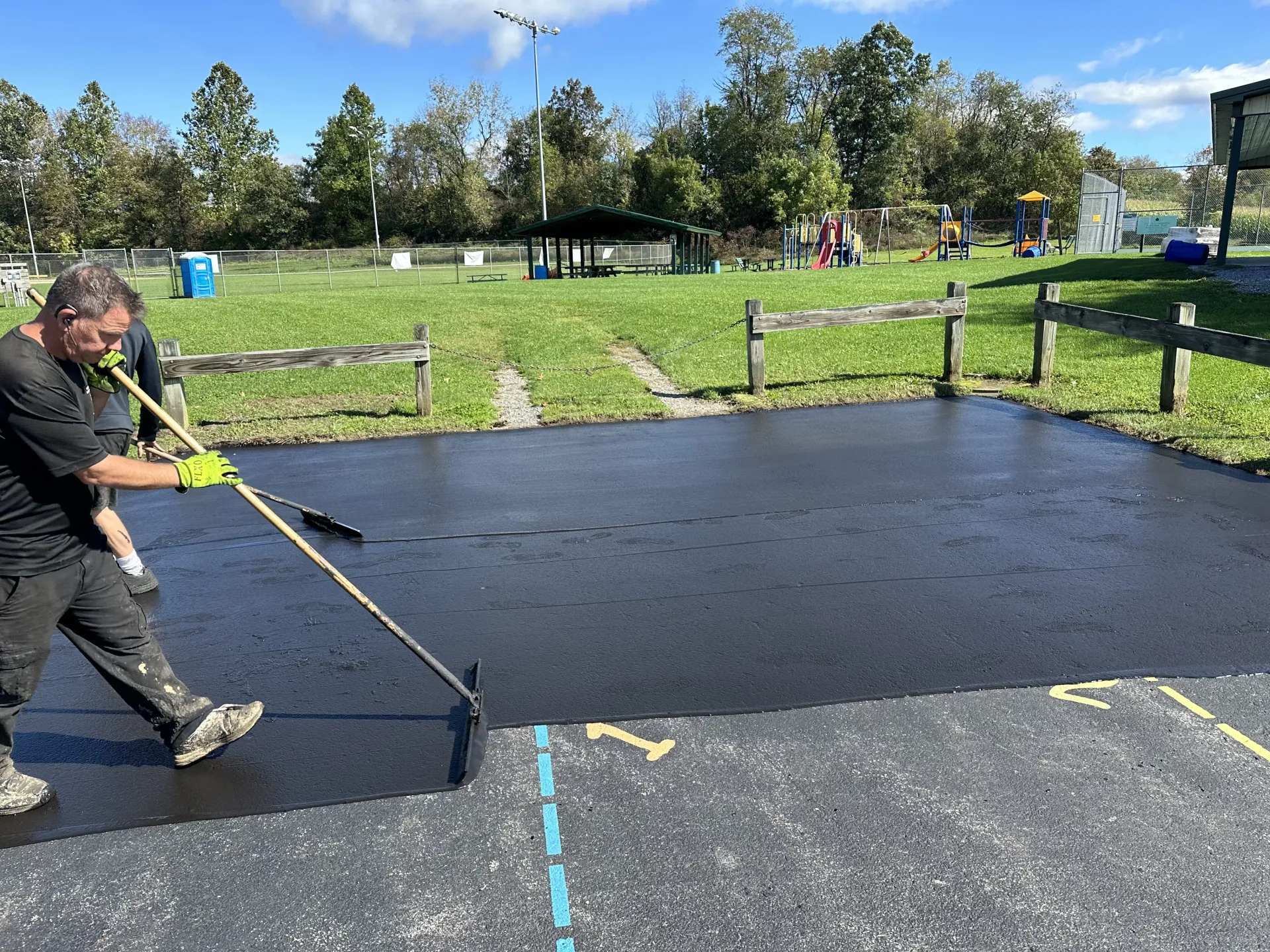
Nick Moustakas Blacktop Sealcoating applies sealcoating by hand across Wappingers Falls and surrounding areas, using a method that pushes material deeper into the asphalt surface than spray equipment can achieve. You need this service when your pavement begins to fade to gray, when small cracks start appearing along the edges, or when oil stains from vehicles begin to penetrate the surface. The hand application process fills microscopic voids in the asphalt that spray methods often miss entirely.
Sealcoating creates a protective barrier against water infiltration, oxidation from UV exposure, and chemical damage from vehicle fluids. In this region, winter freeze-thaw cycles drive water into any available opening in the pavement, and once inside, that water expands when frozen and breaks apart the asphalt structure from within. The sealant blocks that entry point before the damage cycle begins.
Schedule a property evaluation to identify specific areas where surface protection will prevent further deterioration.
Why Hand Application Produces Different Results
The hand-applied method used by Nick Moustakas Blacktop Sealcoating involves working the sealant into the surface with squeegee tools, forcing material into small surface imperfections and creating a thicker, more uniform coat. Spray applications deposit sealant on top of the surface but lack the pressure needed to push material into porous areas or hairline cracks.
After the sealcoating cures, your pavement surface turns a deep, uniform black rather than the streaky or uneven appearance that comes from spray jobs. Water beads up and rolls off instead of soaking in, and the surface resists staining from oil drips or tire marks. The coating remains flexible enough to move with the asphalt during temperature changes without cracking or peeling away.
Timing the application matters significantly in this climate. The sealant requires temperatures above 50 degrees and at least 24 hours of dry weather to cure properly, which limits the work window to late spring through early fall. Applying sealcoating every two to three years maintains the protective layer before it wears thin enough to expose the underlying asphalt to direct weathering.
These questions come up frequently when property owners consider sealcoating for the first time or try to understand what makes one application different from another.
What Property Owners Usually Ask
How long does the sealcoating need to dry before vehicles can drive on it?
The surface is ready for light traffic after 24 hours in warm, dry conditions, but full curing takes 48 to 72 hours depending on humidity and temperature, so planning around weather forecasts matters for scheduling.
What preparation work happens before the sealant goes down?
The pavement gets cleaned of debris, oil stains are treated, and cracks are filled so the sealant bonds to a sound surface rather than covering up problems that will continue spreading underneath.
How does Wappingers Falls weather affect how often sealcoating should be reapplied?
The combination of winter road salt, summer heat, and regular freeze-thaw cycles breaks down sealant faster than in milder climates, making a two-year maintenance schedule more effective than waiting three or four years between applications.
Why does hand application cost more than spray methods?
The process takes significantly longer because each section gets worked manually, but the trade-off is better adhesion, thicker coverage, and fewer missed spots that lead to premature wear in high-traffic areas.
What happens if it rains before the sealcoating fully cures?
Rain that hits uncured sealant can wash away material, create streaking, or prevent proper bonding, which is why the work gets scheduled only when the forecast shows at least 24 hours of dry weather following application.
Nick Moustakas Blacktop Sealcoating provides free estimates that include clear project timelines based on current weather patterns and your pavement's condition. Request an on-site assessment to determine the right maintenance schedule for your specific surface.